March 8 – March 12, 2026
New York City/Washington DC
ENVISIONING NORTH KOREA’S FUTURE:
WOMEN LEADING THE WAY
“When love meets the value of freedom, it becomes an unstoppable courage.”

Dear Friends:
We are pleased to share this Acknowledgements Report prepared by Anna Yang, Johnny Park and our North Korea Freedom Coalition Members to recognize the folks who made the visit of the delegation for Envisioning North Korea’s Future: Women Leading the Way such a tremendous success. The delegation did an outstanding job! We had the best turnout that we have ever had at the United Nations Commission on the Status of Women panel event with 85 attendees and standing room only. On Capitol Hill, we also had great participation at our Congressional Forum. Included among the participants on Capitol Hill was Marine Corp veteran, Rudy Meekins, a four-time purple heart recipient who was one of the “Chosin Few.” We were able to point out at the Forum that it was because of Meekins and his fellow marines who fought at the battle of the Chosin Reservoir that our North Koreans had a place to flee for freedom. When we were brainstorming the panel’s theme this year, Syndey Kochan of the Jubilee Campaign who helps guide our UNCSW participation, suggested we have a positive theme this year to give a vision for North Korea’s future. To mark the 10th anniversary of our participation at the UNCSW, Jason West suggested inviting women who had published their stories of life in North Korea. Thus, the theme became focused on what North Korean women achieved during the Arduous March and what that could mean for North Korea’s future when North Korea becomes free and featured two women authors.
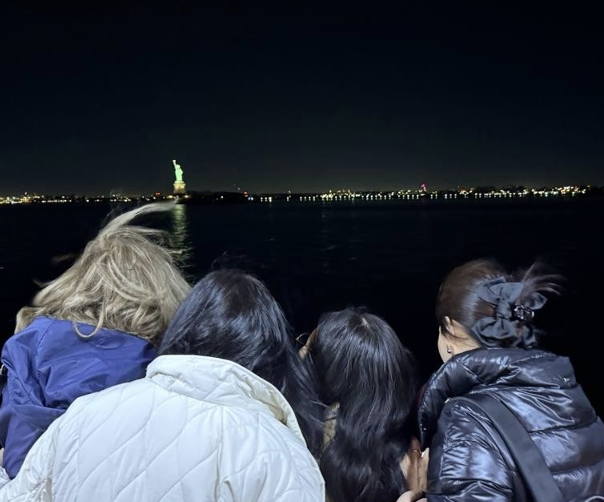
Our witnesses included Oh Hye Seon, author of “The Pyongyang Lady from London,” and Jung Ah, author of “The Journey to South Korea.” Free North Korea Defector President Kim Ji Young, once again chaired the delegation and released a survey that FNKR had recently conducted of North Koreans who had escaped recently since the COVID pandemic. In addition to the two main public events, many private meetings were held as described in this report. A highlight for me was the Staten Island Ferry which was made possible by JoonKi Hong who came to help us that week. Joonki, a first year law student, found a way to fulfill Jung Ah’s request: “I want to see the Statue of Liberty, the symbol of freedom.” JoonKi came up with a plan to make that possible during our too brief stay in New York City: the Staten Island, which is also free! Sharing their personal stories our brave North Korean escapees revealed the role the marginalized women of North Korea played in saving the population from starvation by creating the Jangmadang (North Korea’s market system). They also eloquently described the power that information had in understanding the values of freedom and human rights and their own worth as women.
Through the FNKR survey, Kim Ji-Young showed that outside information provides hope to the people of North Korea and positively changes the perceptions North Koreans have of the outside world, undermining the Kim regime’s mind control. With the survey, Kim Ji-Young was able to tie in the fact that a lot of North Koreans who are adults today grew up during the Arduous March and as a result personally saw how their mothers saved their families by becoming entrepreneurs and creating the Jangmadang. Through their visit, it became very clear that outside information continues to play a critical role in transforming North Korean society. Finally, it was divine providence that on the morning of their departure, the person behind the counter at the Korean Air ticketing desk was the reporter who had interviewed them right after the Capitol Hill forum. This was so amazing because Jung Ah was traveling on an emergency temporary passport because the day before she had lost hers, and we had to get one turned around within hours from the Korean Consulate. What a blessing that the ticketing agent knew exactly who they were and got them ticketed and on their way home. Thank you to all the folks listed in this report who made this visit such a great success.

Suzanne Scholte
Chair, North Korea Freedom Coalition
2026 Delegation
Delegation Chair: Kim Ji-Young, President of Free North Korea Radio, chaired the delegation and released the findings of a Free North Korea Radio survey of North Koreans who had escaped since COVID to assess the current situation in North Korea and the impact of outside information. She is one of the first females to head a major North Korean defector led NGO and was named President by the late Kim Seong Min founder of Free North Korea Radio.
Delegation: Oh Hye-Seon, the author of The Pyongyang Lady from London, was born in Pyongyang and served as an official in the North Korean Ministry of Trade. When she and her husband were serving as diplomats in London, their family of four defected. It was a miracle that her two sons were with her at the time because the regime requires that at least one child of their diplomats must remain in North Korea to ensure they do not defect! She wrote her book to share with the world the grim reality of North Korea and value of freedom.
Jung Ah is the author of The Journey to South Korea. She and her sister left North Korea in 2000 during the Arduous March to seek work in China so their parents would not starve. But instead like most North Korean women she and her sister became victims of trafficking sold to different Chinese men. Through her work, she described life in North Korea, life in China, and resettlement in South Korea. She wrote her book to share the resilience of North Korean women that is hidden behind the scenes and to promote more international action and attention to address the suffering women of North Korea.
2026 North Korea Freedom Coalition Delegation Hosts
Those Who Generously Gave Their Time, Talent, and Treasure to Support the Delegation
- Laurie and Bill Bolthouse, Donation
- Defense Forum Foundation, Donation
- Euni Evensen, Lodging and Transportation
- Yu-Sook Kim, NKFC Dinner Preparation
- Joon-Ki Hong, Delegation Assistant and Translator
- Esther Kim, NKFC Welcome Dinner Chair
- Dr. Pavel Klein, Donation
- Sydney Kochan, UNCSW Panel Preparation
- Tae-Woo Lee, Donation
- Ambassador In-Ho Lee, Donation
- Honorable Tidal W. McCoy, Donation
- Johnny Park, Secretary of NKFC
- Suzanne Scholte, Chair of NKFC
- Kenji Sawai, Forum Preparation
- Professor Ok Cha Soh, Media Outreach
- Jason West, Vice Chair of NKFC

Special Thanks to Those Who Hosted Events and Meetings for Our Delegation in New York City
- Counsellor Sebastian Kurek of the Mission of Poland to the UN
- Cyber Security Officers of the U.S. Department of Justice
- Kali Gasteiger and Maria Macarena Apud of the Mission of the United States to the UN
- Minister Kawahara Kazutaka and Counsellor Fuminori Ando of the Mission of Japan to the UN
- UN Commission on the Status of Women

Special Thanks to Those Who Hosted Events and Meetings for Our Delegation in Washington, D.C.
- Ambassador Julie Turner and the U.S. Department of State
- Roberto Velez of Senator Tim Kaine’s Office and the Senate Foreign Relations Committee
- ROK Unification Attache Dae-Hyun Baek
Day-by-Day Report
Sunday, March 8
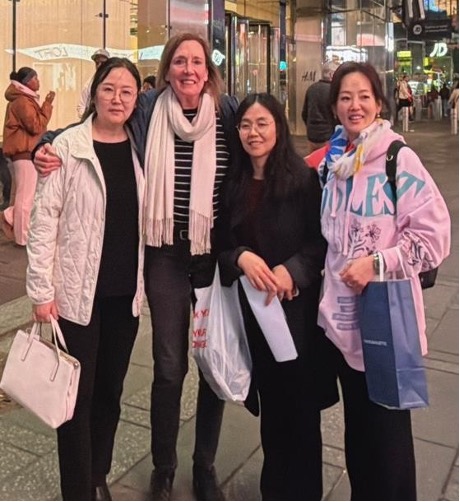
Our North Korean defector delegation, comprising Ji-Young Kim, Jung Ah, and Hye-Seon Oh, arrived in New York City and Joon-Ki Hong met the delegation at the airport and took them over to the delegation hotel. Thank you to Joon-Ki Hong for picking up the delegation at the airport. On Sunday night, the delegation took some time to rest, review their testimonies and plans for the week. After dinner, they visited Times Square.
Monday, March 9
Meeting with Permanent Mission of Japan to the United Nations
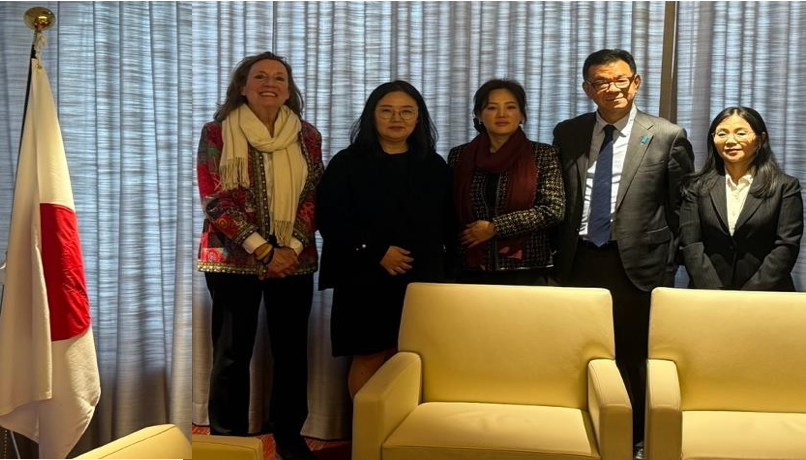
Thank you to Minister Kawahara Kazutaka and Counsellor Fuminori Ando for hosting a meeting for the delegation at the Japan U.N. Mission. Minister Kazutaka expressed his gratitude towards North Korean defectors for raising the issue of Japanese abductees and reaffirmed Japan’s commitment to improving human rights situation in North Korea by continuously raising the issue at the United Nations. The delegation emphasized the importance of international solidarity over the issue of North Korea human rights and how outside information undermines the Kim regime by shifting North Koreans’ perception of the outside world.
Meeting with Permanent Mission of the United States to the United Nations
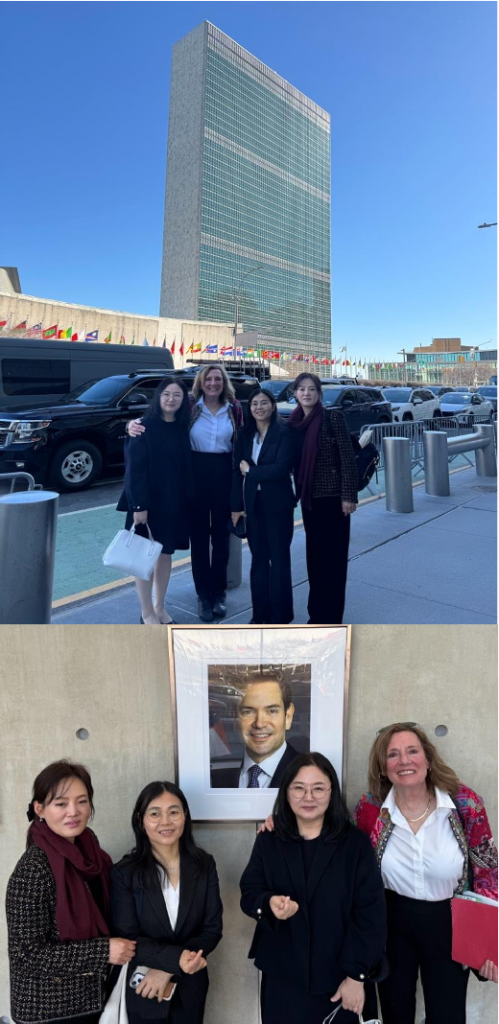
Thank you to Maria Macarena Apud for coordinating the meeting for the delegation at the U.S. U.N. Mission and for Kali Gasteiger hosting it. Suzanne shared how much the delegation values freedom, although they all had different backgrounds in North Korea. “Despite their different Songbun classes, they all came to the same conclusion that freedom is very precious,” said Suzanne. Further, Suzanne emphasized that the U.S. government should have a human rights upfront approach against North Korea and should sanction Chinese officials who get involved in the forcible repatriation of North Korean refugees. The delegation also urged the U.S. government to stop the forcible repatriation of North Korean refugees by China. “It’s crucial to stop the forcible repatriation of North Korean refugees. The best way to pressure China is to give more platforms and attention to North Korean women,” said Ah. “North Korean refugees in China must be granted legal refugee status, so they can have a stable legal status in China.” The U.S. U.N. Mission team reaffirmed its commitment to closely working with allies and partners to raise the issue of North Korea’s human rights at the U.N.
United Nations Commission on the Status of Women Panel
The panel session received a great amount of attention from the public, and the attendees were deeply moved by our delegation’s testimonies. During the panel session, Hye-Seon emphasized the value of freedom and asked the international community to raise one voice for the people of North Korea. “The reason North Koreans are poor is not because of natural disasters or economic sanctions; it is the direct result of the Kim family’s greed and their obsession with staying in power…When love meets the value of freedom, it becomes an unstoppable courage. I risked everything, and today, my children are living the ‘human life’ they deserve,” said Hye-Seon. Another witness, Ji-Young, highlighted the importance of outside information and how it undermines the Kim regime. “The regime fears outside information more than weapons or sanctions,” said Ji-Young. After the presentation, the delegation also received insightful questions from the audience, including their experiences resettling in a free society and how outside information is affecting North Koreans’ views towards the outside world.

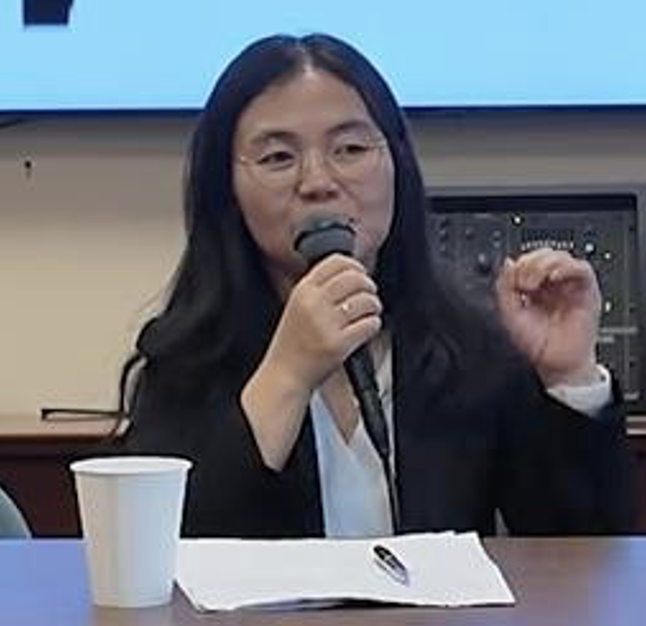


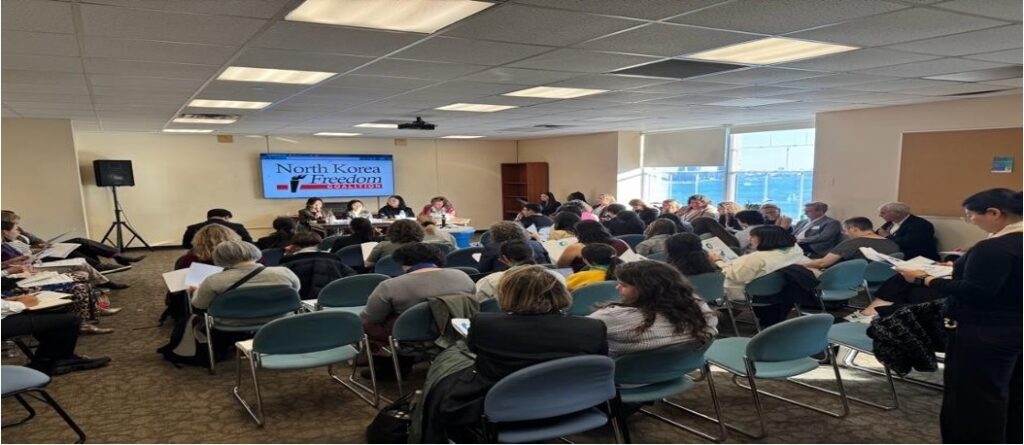
Link to the UNCSW panel session:
The Staten Island Ferry Ride
After dinner, Joon-Ki Hong took the delegation on the Staten Island Ferry, so the could see the Statue of Liberty.

Tuesday, March 10
Meeting with Permanent Mission of Poland to the United Nations
Thank you to Counsellor Sebastian Kurek for meeting with the delegation. The meeting covered various topics from the current South Korean government’s North Korea policy to the international community’s efforts to improve the human rights of the people of North Korea. On the topic of South Korean government’s North Korea policy, Ji-Young said, “North Korean defectors are not asking for a military conflict with North Korea, rather they are simply asking for a human rights upfront approach.” On the topic of outside information, the delegation emphasized the crucial role of outside information in shifting North Koreans’ perspective of the Kim regime and the outside world. “The Free North Korea Radio survey shows that about 80% of those listening to foreign radio broadcasts decided to defect after listening to them. Even though North Korea has severe punishments for consuming or possessing outside information the desire for outside information continues to persist in North Korea,” said Ji-Young.
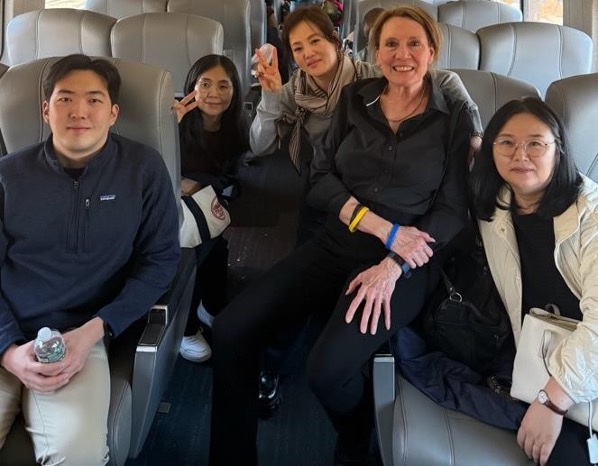
After the meeting with the Polish U.N. Mission, the delegation had a lengthy meeting with representatives of the Department of Justice who work to prevent North Korea’s cyber attacks. Following that meeting the delegation took the train down to Washington, D.C.
Welcome Dinner Hosted by the North Korea Freedom Coalition

Thank you to the North Korea Freedom Coalition for hosting the delegation for a special welcome dinner. After a session of brief introductions, the delegation and attendees enjoyed a nice dinner. Special thanks to Esther Kim and Yu-Sook Kim for organizing the dinner and Shawn McCarty for bringing desserts.
Wednesday, March 11
Meeting with Ambassador Julie Turner
Thank you to Ambassador Julie Turner, Acting Assistant Secretary of State and former U.S. Special Envoy on North Korea Human Rights, for hosting the delegation, allowing them a great opportunity to share their thoughts on the issue of North Korea human rights. Many bureaus and other offices of the U.S. State Department joined the meeting as well.
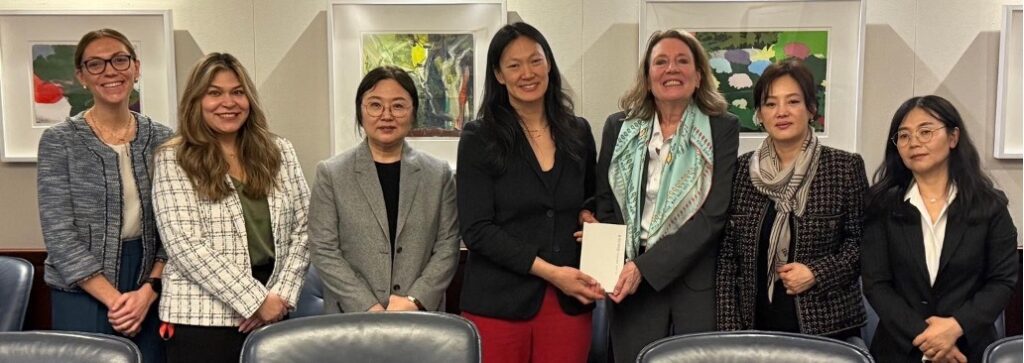
At the meeting, Ambassador Turner expressed her deep condolences for the late Seong-Min Kim, Founder and former President of Free North Korea Radio, calling him an influential and dedicated human rights activist for the people of North Korea. The delegation talked about how North Korean women have been transforming North Korean society through their leading role in Jangmadang (North Korea’s market system). But they also expressed their concern that North Korean women’s rights have not been improved and requested that the State Department consider this as part of a comprehensive approach to the North Korea human rights issues that should be addressed by the international community. Further, they shared human rights violations that North Korean women in China suffer and human rights violations of North Korean refugees who are sent back to North Korea by China. Lastly, they also expressed their concern over the current South Korean government’s efforts to downplay the issue of North Korea human rights, ignoring the suffering of the people of North Korea.
In response, Ambassador Turner reaffirmed the U.S. government’s commitment to improving the issue of North Korea human rights, including the issues of China’s forcible repatriation of North Korean refugees.
During the meeting, Suzanne and Ji-Young presented the poetry book of the late Seong-Min Kim to Ambassador Turner.
DFF Congressional Defense and Foreign Policy Forum on Capitol Hill:
Envisioning North Korea’s Future-Women Leading the Way
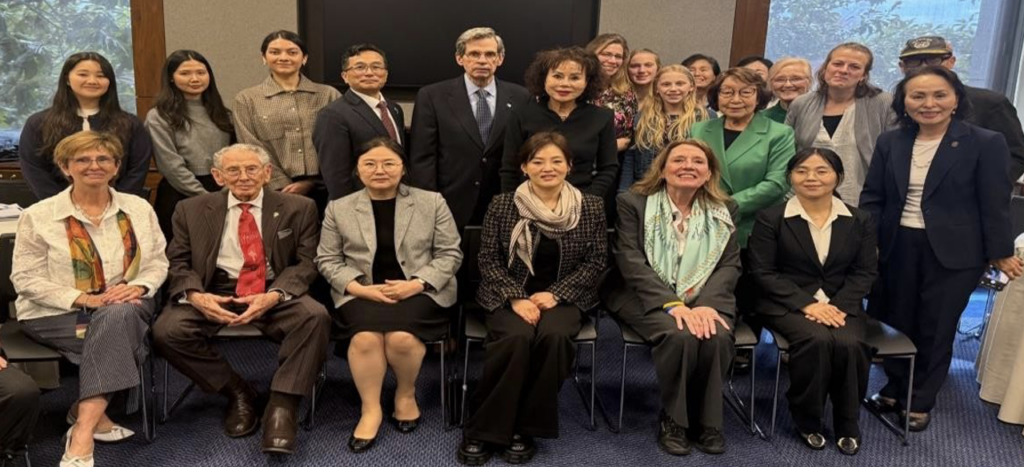
Thank you to Professor Ok Cha Soh for helping us with media outreach. Thank you to Esther Kim and Kenji Sawai for helping set up the forum and welcoming the attendees. Many non- governmental organizations, human rights activists, press, and prominent figures attended the forum. Among the special guests at the Forum were Korean War veteran Rudy Meekins, a 4-time Purple Heart recipient who is one of the Chosin Few who survived the battle of Chosin Reservoir.
At the DFF Congressional Forum, our North Korean defector delegation shared their hopes and vision for North Korean women, value of freedom, and the importance of outside information. “The story I want to share with you today is about the resilience of North Korean women hidden behind the scenes, and the story of North Korean women as ‘pioneers of social change in North Korea’…” said Ah. “Please change your perspective of North Korean women. Rather than viewing them as mere beneficiaries awaiting assistance, recognize them as active partners in transforming North Korean society,” she said. On the outside information, Ji-Young mentioned, “Despite the North Korean government’s strict information controls, radios still function as an important channel through which North Korean residents can access outside information…Information cannot be completely blocked, and the curiosity and interest of North Korean residents about the outside world do not easily disappear. Therefore, efforts to help North Korean residents access accurate information will remain critically important. Outside information serves as a vital window through which North Koreans can better understand the world and reflect on their own lives.”
After the program, the delegation had an individual interview with Radio Free Asia.
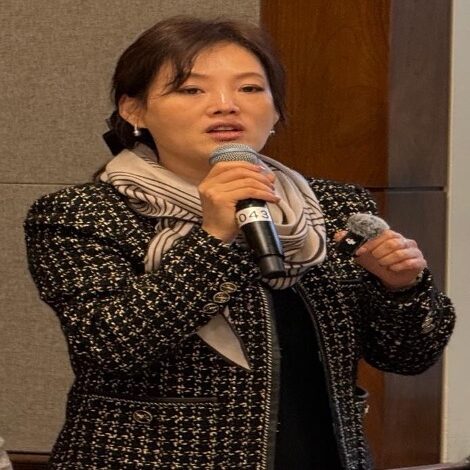


Link to the DFF Forum:
Senate Staff Roundtable
Thank you to Roberto Velez from Senator Tim Kaine’s Office for hosting the Senate staff roundtable for the delegation. Meeting participants showed keen interest in information campaigns and the current living conditions inside North Korea. The delegation emphasized that outside information is a grave threat to the Kim regime, hence the international community must utilize its means to share outside information with the people of North Korea as much as possible. Furthermore, the delegation urged that the U.S. Congress should write North Korea policy centered around the suffering people of North Korea by prioritizing their God-given rights. “North Korea is worse than any type of modern-day dictatorship, because it’s a hereditary dictatorship with scant rights granted to its people,” said Hye-Seon. Ji-Young expressed her gratitude towards U.S. Members of Congress for sharing their hopes and encouragement with the people of North Korea on Free North Korea Radio. “When we prepare for the message programs, we are often deeply touched by messages from U.S. Members of Congress, because we know that they will mean so much to the people of North Korea. The Kim regime blames the U.S. and South Korea for North Korea’s poverty and its malign pursuit of nuclear weapons. Thus, it is crucial that the people of North Korea receive the truth from U.S. lawmakers,” said Ji-Young.

QUOTES FROM THEIR PRESENTATIONS AT THE UN COMMISSION ON THE STATUS OF WOMEN AND THE CAPITOL HILL FORUM
About the Importance of Advocating for the Suffering People of North Korea:
Hye-Seon: “North Koreans are poor not because of natural disasters or economic sanctions. They are poor because of the Kim family’s greed and their obsession with staying in power forever.”
Hye-Seon: “Seeing them struggle, I realized that for my kids, freedom was not a choice; it was a matter of life and death. Once you’ve seen the light of truth, you can’t go back to the dark. I couldn’t teach my children to live a lie. I couldn’t let their dreams be crushed. I decided that no matter what it cost me, I had to give them freedom. When a mother’s love meets the value of freedom, it creates a courage that is unstoppable. I risked everything, and today, my children are finally living like human beings.”
Hye-Seon: “Caring about North Korean human rights doesn’t have to be a grand gesture. Just remembering and sharing the truth is enough to start lifting the darkness. Let’s be that light so they can finally see the world and change their own lives.”
Ji-Young: “The Kim Jong Un regime is governing in a way that strengthens control and punishment rather than improving the lives of ordinary citizens… some (survey) respondents described present-day North Korean society as ‘a society where people must live with their mouths closed and their eyes shut.’”
About the North Korean Women’s Role in Jangmadang and Their Future in North Korea:
Hye-Seon: “The survivors learned one thing: you have to break the law to stay alive. And at the heart of this are the women. To protect their husbands from punishment, women stay up all night making food to sell on the streets. However, to the Kim regime, such devoted efforts are considered illegal acts to be cracked down on.”
Ah: “In North Korea, markets (Jangmadang) were created by women. Now, they have become an indispensable part of life for North Koreans, as all food and necessities are now met at the “Jangmadang.” Currently, more than 70% to 80% of household income in North Korea comes from women.”
Ah: “First, North Korean women will be the driving force behind the modernization of the future economy. Second, North Korean women will be the catalyst for peace and unification. Currently, 80% of North Korean defectors settled in South Korea are women. Third, North Korean women will become leaders of a new civil society once North and South Korea are unified…Please change your perspective of North Korean women. Rather than viewing them as mere beneficiaries awaiting assistance, recognize them as active partners in transforming North Korean society.”
About the Importance of Outside Information:
Hye-Seon: “The cruelest crime the Kim family committed wasn’t just starving people; it was blinding them to the truth and stealing their right to think for themselves. To stop this tragedy: we have to tell the North Korean people the truth. We have to tell them, ‘You deserve better than this.’ The North Korean regime isn’t afraid of nukes; they are afraid of the truth about the outside world. They know that the moment people see the truth, the walls of their dictatorship will come crumbling down. To them, freedom and democracy are like pests that need to be killed… Information changes a person’s identity. It turns a ‘regime agent’ back into a ‘human being.’ This is exactly why North Korea is so desperate to hide, the power of information.”
Ji-Young: “External content has a significant impact on changing the perceptions of people inside North Korea. The most frequently mentioned changes included a broader awareness of the outside world, the formation of motivations to defect, and culture shock. Changes in perceptions toward South Korea and growing resentment toward the regime were also identified as significant outcomes. These findings indicate that external information goes beyond simple curiosity and plays a crucial role in shaping North Koreans’ worldview, values, and perceptions of their political system…Information cannot be completely blocked, and the curiosity and interest of North Korean residents about the outside world do not easily disappear. Therefore, efforts to help North Korean residents access accurate information will remain critically important. Outside information serves as a vital window through which North Koreans can better understand the world and reflect on their own lives.”
About the Current Status of Foreign Radio Broadcasts in North Korea:
Ji-Young: “The analysis shows that, on average, about 4 out of 10 people owned a radio. This suggests that a significant portion of the North Korean population may have access to information through radio broadcasts…Radios are not limited to specific regions but are relatively widespread throughout North Korea…Despite the North Korean government’s strict information controls, radios still function as an important channel through which North Korean residents can access outside information.”
RESPONSES FROM THE MARCH 2026 DELEGATION TO THEIR VISIT:
Hye-Seon: “To deliver the light of truth to the people of North Korea—this is our unstoppable calling. I have just returned from an intense ten-day journey across New York and Washington D.C. My mission was clear: to witness to the international community about the human rights crisis in North Korea and to advocate for the urgent need to increase the flow of outside information into that darkened land.”
First, ‘A Mission of Urgency’: From the United Nations. to Capitol Hill, the schedule was meticulously organized, moving from the U.N. in New York to Capitol Hill and the State Department in Washington. Every minute was a battle for the voices that cannot be heard. At the United Nations: I testified before diplomats from around the world. I spoke about the ‘psychological slavery’ even the elites face in Pyongyang and the tragic ‘criminalization of survival,’ where ordinary North Koreans are forced to break the law just to feed themselves. On Capitol Hill: I met with policymakers to emphasize the need for effective enforcement of the North Korean Human Rights Act. I stressed the urgency of technical and financial support to break the regime’s information blockade. At the State Department: I engaged in strategic discussions with key officials on how to deliver a more accurate and warmer ‘Sound of Freedom’ directly to the North Korean people. Throughout these high-pressure meetings, I gave my heart to every word, thinking of my brothers and sisters in North Korea who are struggling for survival at this very moment.”
Second, ‘Deep Gratitude to the Vanguard of Freedom’: Suzanne Scholte and the Defense Forum Foundation. This mission would not have been possible without Suzanne Scholte, President of the DFF. A true giant in the North Korean human rights movement, Suzanne is more than an activist; she is a sister-in-arms who feels the pain of the North Korean people as her own. I also want to express my deepest gratitude to the staff and members of the Defense Forum Foundation and the North Korea Freedom Coalition. Their meticulous planning and tireless dedication ensured that my voice reached the right ears at the right time. Your devotion behind the scenes was the backbone of this entire journey.”
Third, “Seeds of Truth, Harvest of Hope’: This visit reaffirmed my conviction–what the North Korean regime fears most is not a nuclear weapon, but its people discovering the true meaning of ‘Freedom.’ The seeds of human rights awareness we planted in American society will return as waves of information flowing into North Korea.”
To everyone who stood by me, I thank you from the bottom of my heart.”
Ah: “First, ‘The Excitement and Tension of New York’: Setting aside the fatigue accumulated from a long flight, I entered the U.N. Headquarters in New York with a heart filled with both tension and excitement; I can never forget that fervent atmosphere where women leaders and activists from around the globe gathered to raise their voices for the human rights, peace, and transformation of North Korean women. Nor can I forget that moment of courage when I—having majored in Russian back in North Korea—delivered a presentation in my halting English. First and foremost, I am grateful that I was able to remain calm and composed, reading through my entire speech in English without faltering. I prayed to God, asking Him to grant me both wisdom and courage. As a researcher and educator, my presentation—in which I appealed for international solidarity and highlighted the past, present, and future trajectory of change for North Korean women—proved sufficient to resonate deeply with the participants. I give thanks to God.”
Second, ‘The Joy of Meeting with Suzanne and Kind People’: What I was most grateful for was the opportunity to meet such wonderful people in the U.S.—including the renowned Suzanne herself. The moment I, having previously known her only by name, met the tall, blonde Suzanne in person in America remains vivid in my memory to this day. Moreover, she was surrounded by excellent staff—such as Johnny and Hong Joon-Ki. Though initially strangers, they felt instantly approachable and treated us with the utmost kindness and care. They spared no effort in looking out for us, even going so far as to translate the English menu into Korean.”
Third, ‘A Lost Passport, Urgency, and Warm Comfort’: I still cannot forget the sheer helplessness I felt the moment I realized my passport—the sole means of proving my identity in a strange foreign land, within the vast confines of the U.S. Capitol—had gone missing. What lifted me up in that moment was the unwavering support of those standing by my side. In particular, Hong Joon-Ki scoured the Capitol in search of it, while Johnny and Suzanne— fretting over the situation as if it were their own—contacted the South Korean Embassy and personally assisted in the search. My fellow delegates comforted me with warm words and embraced me as I trembled with anxiety. Suzanne, who had previously demonstrated such charisma as a leader on the international stage, waited patiently at the Embassy the moment I lost my passport, treating my predicament as if it were her very own. Faced with the fervent sincerity of my fellow delegates and Suzanne—who had stood faithfully by my side—my feelings of guilt soon transformed into a deep, moving gratitude. With a heart brimming with a mix of apology and thankfulness, I looked into their eyes and realized that the ‘solidarity’ we had discussed in the meetings was by no means merely words on paper. The most pivotal moment came through the selfless support of the Unification Attache of the South Korean Embassy. Bridging the urgency of the situation on the ground with the administrative staff back home, Unification Attache swiftly paved the way for a solution. Thanks to this effort, we managed to make dramatic contact with the Embassy staff just moments before they left for the day, enabling the issuance of my emergency passport. Four Embassy staff members—who willingly postponed their departure for the day and spared no effort to ensure the safe return of a single individual: myself. As I held the emergency passport in my hands—still fresh from the printer, the ink barely dry—I had a profound realization. I realized that the very reason for a nation’s existence, and the true efficacy of its policies, are ultimately realized through the hearts of people who demonstrate such concrete and selfless dedication.”
Had it not been for Suzanne’s dedication, the capable assistance of Unification Attaché, and the thoughtfulness of the Embassy staff, I would have been left entirely alone. This visit to the United States offered me lessons that went far beyond mere academic achievement. It taught me that peace and human rights do not reside in grand slogans, but rather in the willingness to selflessly devote one’s time to help others in crisis. Now, with a sense of indebtedness for that good fortune, I intend to fully convey the warmth I witnessed and felt in the field to our students and the research community.”
Ji-Young: “Hi, this is Kim Ji-Young, who participated in the March Delegation. First and foremost, I would like to express my deepest gratitude to everyone who has raised their voice and stood in solidarity with the people of North Korea in the fight for their freedom and human rights. At this event, I presented the results of a survey regarding the critical importance of the inflow of outside information into North Korea. The findings confirmed that the reason the North Korean regime strives to block outside information is precisely because it enables the people to realize the value of freedom, to harbor hope, and to begin planning for their own futures. Furthermore, a survey conducted among 75 North Korean defectors revealed that the hope for freedom among the North Korean people grows stronger when the very information the regime fears is continuously disseminated and when voices are raised from the outside world. I believe that the issue of human rights in North Korea is not merely a political or economic matter, but rather a fundamental issue of oppression—one that humanity as a whole must come together to resolve. I once again extend my sincere thanks to everyone who participated in this visit, and I ask for your continued interest and engagement so that we may share the precious freedom we possess with the people of North Korea—and, one day, enjoy it together. Thank you.”

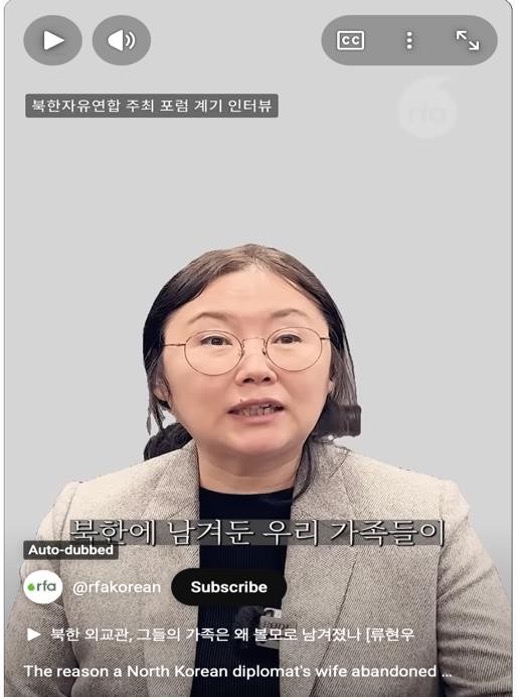
Link to RFA Interviews Posted on YouTube: